Heavy Equipment Transport in Dubai: Lowbed Trailers, Permits and Costs
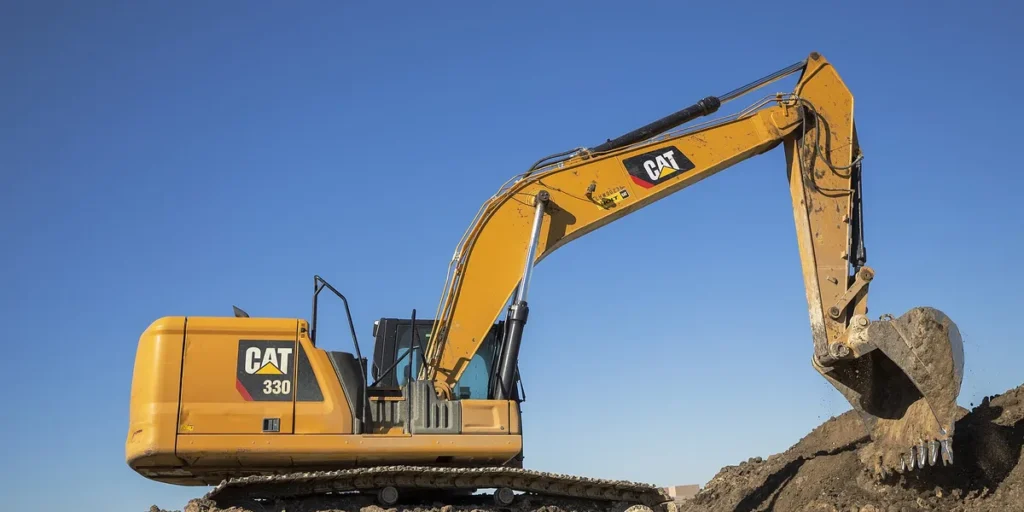
Heavy equipment transport in Dubai is a specialist job. Moving an excavator, a crane, a generator or a bulldozer is not like moving a pallet of goods — the load is tall, heavy and often wider than a normal lane, so it needs the right trailer, the right permits and a crew that knows how to load and lash it safely. This guide explains how heavy equipment is transported in Dubai and across the UAE, which trailer fits which machine, what permits are needed, what it costs, and how to book a move without delays.
What Counts as Heavy Equipment Transport?
Heavy equipment transport covers any machine or load that is too heavy, too tall or too wide for a standard flatbed truck. Typical loads include excavators, bulldozers, wheel loaders, cranes, asphalt pavers, generators, transformers, steel structures, boats and industrial machinery. In practice, oversized cargo is any shipment over about 20 tonnes or longer than 12 metres, and anything that needs a lowbed trailer, an extendable flatbed or engineer-certified lashing. If your machine cannot be driven onto a normal truck or would exceed the legal height once loaded, it is a heavy transport job — and it should be planned as one from the start.
Which Trailer Is Right for Your Machine?
The trailer is chosen by the machine’s weight, height and length — not by what is available. Getting this choice right is the difference between a smooth move and a load that cannot legally travel.
What Is a Lowbed Trailer, and When Do You Need One?
A lowbed trailer — also called a lowboy — has a very low deck height, so tall machinery sits lower and the total height stays within the legal limit. Lowbeds are the standard choice for excavators, cranes and other tall plant. Common lowbed trailers in the UAE handle 25 to 40 tonnes on smaller two- to three-axle units, 40 to 60 tonnes on standard heavy transport trailers, and 60 to 100 tonnes or more on multi-axle lowboy units. Our lowbed trailer transport services cover all of these sizes across Dubai and the UAE.
When Is a Flatbed Trailer Enough?
A flatbed truck suits standard palletised or structural cargo and lighter machinery that fits within normal height and weight limits. Flatbeds are generally the most affordable option for standard cargo. But a flatbed’s deck sits higher than a lowbed’s, so a tall excavator loaded on a flatbed can easily exceed the height limit — that is when a lowbed becomes necessary.
What About Extendable and Specialist Trailers?
For very long loads, extendable trailers stretch to 40 metres. For ultra-heavy loads over 500 tonnes, self-propelled modular transporters (SPMTs) are used. Girder or beam trailers support loads that overhang. Most construction and industrial moves in Dubai use a standard or heavy lowbed, but knowing these options exist matters when a load is genuinely unusual — tell your transporter the exact dimensions and let them choose the trailer.
How Does Heavy Equipment Transport Work Step by Step?
How Do You Get a Quote?
Share the machine’s make and model, its weight and dimensions, the collection address and the delivery address, and whether the machine runs or needs to be winched. The transport team confirms the trailer, the route, the permits and the price. A site visit is sometimes needed for very large machines, to check access, ground conditions and loading space.
How Is the Machine Loaded?
The machine is driven or winched onto the trailer using ramps, then positioned so the weight sits evenly over the axles. The driver and the loading crew check the height and the overhang before anything is tied down. Loading usually happens at your yard, site or warehouse, and the same crew handles the unloading at the other end.
How Is the Load Secured?
Lashing is done with EN 12195-compliant chains and straps, calculated by a load planner to resist the forces of braking and turning. Anti-slip rubber mats, edge protectors and heavy weather-proof tarpaulins protect the machine and the trailer. This is not a step to rush: a poorly lashed excavator is a danger to everyone on the road, and it is the transporter’s responsibility to get it right.
What Happens on the Road?
The truck travels on an approved route at an approved time. Oversized loads in Dubai are typically restricted to night windows, such as 11pm to 5am on Sheikh Zayed Road, and very wide loads may need a police escort. The driver carries the permits, and the transport office tracks the truck until it arrives.
What Permits Do You Need for Heavy Equipment Transport in Dubai?
Permits are the part of heavy transport that most often causes delays, so they should be arranged before the moving day — not on it. In Dubai, an oversized-load permit is needed when a load is more than 2.5 metres wide, more than 4.5 metres high or more than 19 metres long. Permits are issued by the RTA or Dubai Police, and approval usually takes 7 to 14 days, faster with digital submission. Loads over 3.5 metres wide or 22 metres long, and very heavy loads such as a 50-tonne crane, also need a police escort, which sometimes requires 48 hours’ advance booking. Crossing into another emirate needs that emirate’s permit as well — for example, an Abu Dhabi abnormal-load permit — and cross-border GCC moves need the destination country’s permits too. Your transporter should handle all of this as part of the booking; if they ask you to arrange permits yourself, that is a warning sign.
How Much Does Heavy Equipment Transport Cost in Dubai?
Heavy equipment transport is priced per trip, and the price depends on the trailer, the distance, the weight and the permits. As an indicative guide for 2026, a standard lowbed trip within one emirate runs around AED 600 to AED 900, and a heavy lowbed (40 tonnes or more payload) around AED 1,000 to AED 1,500. A Sharjah to Dubai lowbed move is roughly AED 800 to AED 1,200 for a standard lowbed and AED 1,400 to AED 2,000 for a heavy lowbed; Sharjah to Abu Dhabi is roughly AED 1,500 to AED 2,200 standard and AED 2,800 to AED 4,000 heavy. A round trip (mobilisation and demobilisation) is typically billed at about 1.7 times the one-way price, because the trailer returns empty.
Permits and escorts are usually charged separately. An RTA Dubai oversized-load permit is roughly AED 500 to AED 1,500 depending on the load class, an Abu Dhabi abnormal-load permit roughly AED 800 to AED 2,200, and a police escort roughly AED 800 to AED 1,500 per trip where one is required. Tolls such as Salik in Dubai and Darb in Abu Dhabi add a small amount, and night-window deliveries can add AED 200 to AED 400 per trip in driver overtime. Always ask for an itemised quote that breaks down the trailer hire, the permits, the escort and the tolls, so you can see exactly what you are paying for — and for a general picture of how cargo pricing works, read our guide on how much cargo costs from Dubai.
What Documents Do You Need?
For a move inside the UAE, the essentials are the machine’s registration or ownership document, the transport permit, and the driver’s heavy vehicle licence (Category 4). For an import or a cross-border GCC move, add the commercial invoice, the packing list, the certificate of origin and the customs declarations — our commercial cargo shipping guide explains the export paperwork in detail. Keep a copy of the permit with the driver and a copy in your office, and make sure the dimensions on the permit match the actual load.
How Do You Choose a Heavy Transport Company in Dubai?
Four things matter. First, fleet diversity: the company should have lowbeds in several sizes, extendable trailers and access to SPMTs, so your machine gets the right trailer rather than the only trailer available. Second, permits and compliance: they should arrange RTA permits, route approvals and police escorts themselves, and know the axle-load limits. Third, insurance: the load should be covered, with third-party liability of up to AED 5 million as a benchmark, and cargo insurance available — see our cargo insurance guide for Dubai for what to check. Fourth, experience on your route: a company that moves machines between Dubai, Abu Dhabi and Sharjah every week, and across the GCC by road, will already know the crossings, the night windows and the paperwork. Ask how many similar machines they moved last month, and ask for the itemised quote before you commit.
Why Move Heavy Equipment with Next Movers?
Next Movers moves excavators, cranes, generators, bulldozers and industrial machinery across Dubai, Abu Dhabi, Sharjah and the Northern Emirates, and by road freight across the GCC. We run lowbed, flatbed and full truck load trailers, arrange the RTA permits and escorts, lash and secure every load to standard, and deliver door to door — including the return leg, so your machine comes home as safely as it left. If you are moving a full machine or a full load, compare your options in our full truck load vs part load cargo guide, then request a free quote with the machine’s weight and dimensions and we will confirm the trailer, the permits and the price.
Frequently Asked Questions About Heavy Equipment Transport in Dubai
Do I need a permit to transport an excavator in Dubai?
Yes, in most cases. An excavator on a lowbed usually exceeds the standard width, height or length limits, so an RTA oversized-load permit is needed, and a police escort is required for very wide or very heavy loads. Your transporter should arrange the permit.
How much does it cost to transport heavy equipment in Dubai?
A standard lowbed trip within one emirate is roughly AED 600 to AED 900, and a heavy lowbed (40 tonnes or more) roughly AED 1,000 to AED 1,500. Longer inter-emirate trips cost more, and permits and escorts are usually charged separately.
Can a lowbed trailer carry a 50-tonne crane?
Yes. Multi-axle lowboy trailers handle 60 to 100 tonnes or more. A 50-tonne crane needs a heavy lowbed, an oversized-load permit and usually a police escort, and the route and timing must be approved in advance.
How long does it take to get an oversized-load permit in Dubai?
Usually 7 to 14 days through the RTA, faster with digital submission. Plan the permit into your schedule — do not book the move for a date before the permit is approved.
Can heavy equipment be transported from Dubai to Saudi Arabia by road?
Yes. Heavy machinery is regularly moved by road from Dubai to Riyadh, Jeddah and Dammam on lowbed trailers, with Saudi permits and a transit declaration. Our guide to road freight from Dubai to GCC countries explains the crossings and transit times.
Ready to move your machine? Request a free quote today — tell us the machine, its weight and dimensions, and where it needs to go, and we will confirm the trailer, the permits and the price.
Related Reading: Refrigerated Cargo Transport from Dubai: A Complete Guide — full guide