Road Freight from Dubai: Routes, Transit Times and Costs
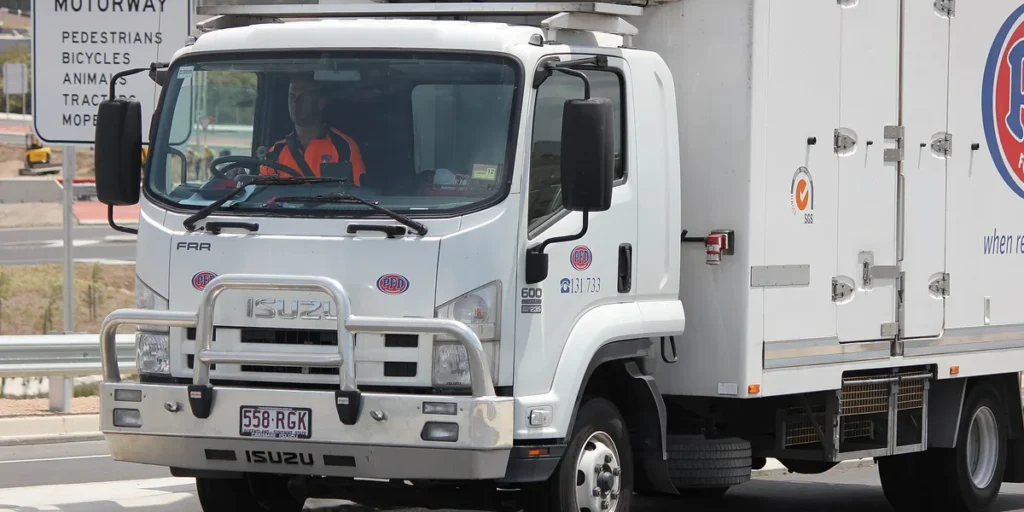
Road freight from Dubai to GCC countries is the fastest and most practical way to move commercial cargo, household goods and vehicles across the Gulf. A truck loaded in Dubai can reach Riyadh, Muscat or Doha in a matter of days, with no port handling in between — and for most Gulf destinations, road is quicker door to door than sea freight. This guide explains the routes, the border crossings, the transit times, the costs and the documents you need, so you can plan a shipment from Dubai to Saudi Arabia, Oman, Qatar, Kuwait or Bahrain with confidence.
Why Choose Road Freight for GCC Shipments?
Road freight is the backbone of trade between the UAE and the rest of the Gulf. The UAE shares a direct land border with Saudi Arabia and Oman, and trucks travelling to Qatar, Kuwait and Bahrain transit through Saudi Arabia on a transit declaration, so one road journey can serve every GCC market. For a business shipping pallets, machinery or a full truckload, road freight means the cargo is collected from your warehouse, cleared at the border, and delivered to the customer’s door — one vehicle, one journey, no transshipment.
Road also wins on speed for most Gulf lanes. A truck skips the two port handlings that sea freight needs, and it drives straight to inland cities such as Riyadh, Jeddah, Muscat or Doha. Sea freight still makes sense for very heavy or bulky cargo going to a coastal port such as Dammam or Jeddah, and air freight is the choice when a shipment is urgent or small — but for the great majority of commercial cargo moving inside the Gulf, road is the default.
Which GCC Countries Can You Reach by Road from Dubai?
Every GCC country is reachable by road from Dubai. The table below shows the usual crossing and the typical door-to-door transit time for a standard road shipment. Times include border processing; a delay at a crossing is the most common reason a shipment takes longer, so always allow a buffer for urgent cargo.
Transit times at a glance: Dubai to Saudi Arabia (Riyadh, Dammam, Jeddah) — 1 to 3 days by road via the Al Ghuwaifat / Al Batha crossing. Dubai to Oman (Muscat, Sohar) — 1 to 2 days via Hatta or Khatmat Malaha. Dubai to Qatar (Doha) — 2 to 4 days by road via Saudi Arabia and the Salwa / Abu Samra crossing. Dubai to Kuwait (Kuwait City) — 3 to 5 days by road via Saudi Arabia and the Abdali or Nuwaiseeb crossing. Dubai to Bahrain (Manama) — 2 to 3 days by road via Saudi Arabia and the King Fahd Causeway.
What Is the Main Border Crossing for Each GCC Country?
Every truck leaving the UAE crosses at a land border, and the crossing depends on the destination. Trucks bound for Saudi Arabia leave the UAE at Al Ghuwaifat and enter Saudi Arabia at Al Batha — the busiest heavy-cargo corridor in the Gulf. Trucks for Oman cross at Hatta into Al Wajajah for Muscat, or at Khatmat Malaha for Sohar and the Batinah coast. Trucks for Kuwait, Qatar and Bahrain first cross into Saudi Arabia in transit, then leave Saudi Arabia at the relevant crossing: Nuwaiseeb or Abdali into Kuwait, Salwa into Qatar at Abu Samra, and the King Fahd Causeway into Bahrain. Because the cargo passes through Saudi Arabia without being imported there, it travels on a transit declaration, and the paperwork for that transit is prepared before the truck leaves Dubai.
How Does Road Freight from Dubai Work Step by Step?
How Do You Book a Truck?
It starts with a quote. You share the cargo details — what it is, how much it weighs, its dimensions, the collection address in the UAE and the delivery address in the destination country — and the freight team confirms the right vehicle, whether that is a box truck, a flatbed, a lowbed trailer or a curtain-sider, and a price. Once you confirm, the truck is scheduled and the documents are prepared.
What Happens at Collection and Packing?
The truck is loaded at your warehouse, office or home. Commercial cargo is usually palletised and shrink-wrapped; household goods are packed and labelled; machinery is lashed to the trailer bed. A packing list is prepared at this stage, because the border authorities work from it. If you need packing, crating or short-term storage before the truck leaves, that is arranged as part of the same booking.
How Does Customs and Border Clearance Work?
The export declaration is filed in the UAE and the import declaration is prepared for the destination country. The truck then travels to the border, where the documents and the cargo are checked. Most delays at a GCC border are paperwork, not distance — a missing certificate or a mismatch between the packing list and the load can hold a truck for a day. A freight company with its own agents at the main crossings keeps that wait short, because the paperwork is checked before the truck departs, not at the border gate.
How Is Delivery Completed?
After clearance, the truck continues to the delivery address. In Saudi Arabia that may be Riyadh, Jeddah, Dammam, Mecca or Medina; in Oman, Muscat or Sohar; in Qatar, Doha; in Kuwait, Kuwait City; in Bahrain, anywhere on the island. Delivery is door to door, and the receiver signs for the cargo on arrival.
What Does Road Freight from Dubai to the GCC Cost?
Road freight is priced per truck, not per kilo, so the biggest cost driver is whether you need a full truck or a part load. A full truck load (FTL) gives you the whole vehicle and the fastest transit; a part load (LTL) shares the truck with other shippers and costs less per shipment, but takes a little longer because the truck collects and delivers for several customers. Our guide to full truck load vs part load cargo explains which one fits your shipment.
Other cost factors are the distance and the destination, the weight and size of the cargo, the type of truck needed, and the border and customs fees. Heavy truck cargo transport in the UAE typically runs around AED 3 to AED 8 per kilometre depending on the truck type, the weight and the route, and cross-border GCC routes add customs and permit fees on top. Oversized or heavy machinery that needs a lowbed trailer costs more than a standard box truck, because of the specialist equipment and the permits involved — if you are moving machinery rather than general cargo, read our guide to heavy equipment transport in Dubai. Fuel surcharges and tolls such as Salik in Dubai are usually included in the quoted price, so ask for an itemised quote and check exactly what it covers before you book.
What Documents Do You Need for GCC Road Freight?
Most GCC road shipments need the same core documents: a commercial invoice, a packing list, a certificate of origin, and the export declaration from the UAE. The destination country may ask for more — Saudi Arabia often requires stricter product compliance documents, and Kuwait and Qatar may ask for additional paperwork for regulated goods. Your freight company prepares the declarations and checks the documents before the truck leaves, so the border crossing is a formality rather than a delay. Keep the originals with the driver and a copy with your office, and make sure the goods described on the invoice match the goods on the truck exactly.
Full Truck or Part Load: Which One Should You Choose?
If your cargo fills a truck — a full container load of goods, a houseful of furniture, or a set of machines — a full truck is the right choice. It is faster, the cargo is handled once, and the price is fixed for the vehicle. If your shipment is a few pallets or a small load, a part load is the economical option: your cargo shares the truck, you pay only for the space you use, and the truck still delivers door to door. For a detailed comparison, including costs and transit times, read our full truck load vs part load cargo guide, or see our full truck load transport services for dedicated trucks across the Gulf.
What Can Go Wrong, and How Do You Avoid Delays?
The most common delay is incomplete paperwork — a missing certificate of origin, an invoice that does not match the packing list, or a product that needs an extra permit in the destination country. The second most common is a vehicle problem on the road, which is why the truck should be inspected and the load secured before departure. The third is timing: border crossings are busiest at the start of the week and before public holidays, so a shipment booked a day earlier often arrives a day sooner. Choosing a freight company that runs the lane every week, with its own drivers and border agents, removes most of this risk — and tracking your cargo shipment from Dubai lets you see where the truck is at every stage.
Why Ship GCC Road Freight with Next Movers?
Next Movers runs road freight from Dubai and Abu Dhabi to every GCC country, every week. Our trucks cover Riyadh, Jeddah, Dammam, Al Khobar, Mecca and Medina in Saudi Arabia, Muscat and Sohar in Oman, Doha in Qatar, Kuwait City in Kuwait, and Manama in Bahrain — with full and part loads, flatbed, box truck and lowbed trailers, customs clearance handled in-house, and door-to-door delivery. If you are shipping commercial cargo, see our commercial cargo shipping guide for Dubai, and if you want to know what a shipment costs before you commit, read how much cargo costs from Dubai — then request a free quote and we will confirm the price, the truck and the transit time for your lane.
Frequently Asked Questions About Road Freight from Dubai to the GCC
How long does road freight from Dubai to Riyadh take?
About 2 to 4 days door to door, including the Al Batha border crossing. A full truck is usually at the faster end of that range; a part load can take a day longer because the truck serves several customers.
Can a truck from Dubai reach Qatar and Bahrain by road?
Yes. Trucks travel through Saudi Arabia on a transit declaration, then cross into Qatar at Salwa / Abu Samra and into Bahrain over the King Fahd Causeway. Typical transit is 2 to 4 days to Doha and 2 to 3 days to Manama.
What is cheaper — road freight or sea freight to the GCC?
For most Gulf destinations, road freight is cheaper door to door than sea freight once port handling, port storage and inland delivery from the port are added. Sea freight can still be cheaper for very heavy or bulky cargo going to a coastal port such as Dammam or Jeddah.
Do I need a certificate of origin for GCC road freight?
Yes, in most cases. A commercial invoice, a packing list and a certificate of origin are the standard documents for a GCC road shipment, and the destination country may require additional compliance documents for certain goods.
Can I ship household goods and furniture by road to Saudi Arabia?
Yes. Household goods, furniture and personal effects are a regular road-freight load to Riyadh, Jeddah, Dammam and other Saudi cities. The goods are packed, listed on a packing list, and delivered door to door.
Ready to move your cargo by road? Request a free quote today, or call Next Movers and tell us what you are shipping and where it is going — we will confirm the truck, the price and the transit time for your GCC lane.
Related Reading: Sea, Air or Road Freight from Dubai: Which One Should You Choose? — full guide