How to Ship Electronics from Dubai?

Shipping a laptop to a family member, a television to a new home abroad, or a full set of office equipment to another country all have one thing in common: electronics need more care than ordinary cargo. A cracked screen, a dead battery or a missing customs paper can turn a simple shipment into an expensive problem. This guide explains how electronics shipping from Dubai works, step by step, so your devices arrive safely, legally and on time.
Dubai is one of the busiest re-export hubs in the region, with daily air freight, regular sea sailings and road links to every GCC neighbour. That gives you real choice: fast air freight for a single laptop, affordable sea freight for a house full of appliances, or a truck for a neighbouring Gulf state. The right choice depends on what you are sending, how fast you need it, and what it contains.
What Does Electronics Shipping from Dubai Cover?
Electronics shipping from Dubai covers the door-to-door or port-to-port movement of electrical and electronic goods from the UAE to destinations overseas. It is used by families relocating abroad, by students and professionals sending personal devices, and by businesses that export electronics from UAE suppliers to customers, offices and retailers in other countries.
A good shipping service does more than book space on a plane or a ship: it advises on packing, prepares the export paperwork, checks for lithium batteries, arranges customs clearance on both sides, and keeps you updated until delivery. For fragile, high-value goods, that guidance matters as much as the transport itself, which is why electronics cargo Dubai specialists handle everything from a single phone to a full container of appliances.
What kinds of electronics can you send?
Almost any consumer or commercial electronic item can be shipped internationally, provided it is packed properly and allowed by the destination country. Common items include televisions, laptops, desktop computers, mobile phones, tablets, home appliances such as fridges and washing machines, audio systems, gaming consoles, cameras, and IT and network equipment such as servers, routers and monitors.
Commercial shipments are common too: retailers restocking shops, offices relocating equipment, and traders moving bulk consignments. Whatever the size, the same basics apply — honest declaration, correct packing, the right documents, and battery rules followed to the letter.
How Does Shipping Electronics from Dubai Work?
The process for electronics shipping from Dubai follows the same clear sequence whether you are sending one laptop or a container of appliances. Knowing the steps in advance helps you avoid delays at customs and surprises at the destination.
Step 1 — List everything you want to send. Write down each item, its brand and model, its approximate value, and whether it contains a battery. This list becomes the basis of your packing list and commercial invoice, so be accurate.
Step 2 — Get a quote based on weight and size. The carrier charges on chargeable weight, the greater of actual weight and volumetric weight from the box dimensions. Large, light boxes such as a boxed television can cost more than you expect, so measure carefully.
Step 3 — Choose air, sea or road. Air freight is fastest, sea freight is cheapest for heavy or bulky loads, and road freight suits nearby Gulf destinations. Your shipper should explain the time and cost trade-off for your exact route.
Step 4 — Pack or crate the items. Use original manufacturer packaging where you have it, or strong double-wall cartons with proper cushioning. Large screens and appliances usually need wooden crating. Keep cables, remotes and stands with the device.
Step 5 — Prepare the documents. You will need a commercial invoice, a packing list and, for battery shipments, a safety data sheet and test summary. Your shipper prepares the UAE export declaration and any dangerous goods declaration.
Step 6 — Customs clearance and departure. The shipment clears UAE export customs, then travels by the chosen mode, with road shipments checked at each border crossing.
Step 7 — Tracking and delivery. You should be able to follow the shipment from departure to arrival. Ask your shipper for the tracking number and how to track a cargo shipment from Dubai at each stage before the goods leave, so you are never guessing where they are.
Which Shipping Mode Should You Choose?
Air freight is the fastest option and the natural choice for laptops, phones, tablets and other high-value, low-weight items. A single carton can travel in a few days, which suits urgent business shipments and personal devices that cannot wait. The trade-off is cost: it is priced per kilogram, so heavy appliances become expensive quickly, and lithium battery rules are strictest by air.
Sea freight is the cheapest way to move heavy or bulky electronics, especially a full household of appliances or a commercial consignment. Goods travel in a shared or full container at a far lower cost per kilogram than air freight. If you are comparing options, read a container shipping guide for Dubai to understand shared and full container choices and transit expectations. The trade-off is time: sea freight takes weeks rather than days.
Road freight is the practical choice for GCC neighbours such as Saudi Arabia, Qatar, Oman, Bahrain and Kuwait. A truck can deliver in about one to three days to Saudi Arabia, with similar short times to other Gulf destinations, and it avoids airport and seaport handling. It also suits oversized items such as large televisions and white goods that are awkward to fly.
How Much Does It Cost to Ship Electronics from Dubai?
There is no single fixed price for electronics shipping from Dubai, because the cost depends on several factors that change with every shipment. Understanding those factors helps you get a fair quote and avoid paying for space or services you do not need.
The main cost factors are chargeable weight, the shipping mode, the destination and distance, packing and crating, and insurance. Chargeable weight matters most: a big, light carton is charged on its volume, not just its weight. Learning how to calculate CBM for cargo shipping from Dubai before you pack will help you estimate the billable size of your boxes.
Air freight costs the most per kilogram but arrives fastest. Sea freight costs the least per kilogram for heavy loads, though you pay for container space and port handling. Road freight sits in between for Gulf destinations. Wooden crating for televisions and large appliances adds to the cost, but it is far cheaper than replacing a broken screen. Insurance is optional yet strongly recommended for high-value, fragile electronics, and a cargo insurance guide for Dubai explains the cover options and claims process in plain terms.
To keep costs down, remove unnecessary packaging, pack tightly, combine small items into fewer cartons, and compare air and sea quotes for anything that is not urgent. Always ask for a written quote listing freight, packing, documentation, customs clearance and insurance separately.
How Should You Pack Electronics for International Shipping?
Good packing is the difference between a device that works on arrival and one that does not. Original manufacturer packaging is best, because it was designed for the exact shape of the device, with moulded foam and a snug fit. If you no longer have it, use a strong double-wall carton, anti-static bubble wrap, foam corners and a screen protector for televisions and monitors.
Wrap each item separately so devices do not scratch each other, fill every gap with cushioning so nothing moves inside the box, and seal the carton with strong tape. Remove batteries where possible and pack them separately following the battery rules below. Keep cables, remotes, stands and chargers with the device they belong to, and label each box with its contents.
Mark every carton “fragile” and “this way up”, and never stack heavy boxes on a carton holding a screen. Televisions, large monitors and big appliances usually need wooden crating rather than a carton alone, because a single knock can crack a panel. If you are moving a whole home, a villa moving checklist for Dubai will help you organise the electronics with the furniture, so nothing is forgotten or packed in the wrong box.
What Are the Lithium Battery Rules for Electronics Shipping from Dubai?
Batteries are the single most important safety issue in electronics shipping. Lithium batteries are Class 9 dangerous goods under the IATA Dangerous Goods Regulations (DGR 2026), and the rules depend on the battery type and whether it is shipped alone, packed with equipment, or contained inside it.
The key UN numbers are UN3480 for lithium-ion batteries shipped alone, such as power banks and spare battery packs; UN3481 for lithium-ion batteries packed with or contained in equipment, such as a laptop with its battery inside; UN3090 for lithium metal batteries alone; and UN3091 for lithium metal batteries with or in equipment. UN3480 batteries travel by cargo aircraft only, under packing instruction PI 965, while PI 966 or PI 967 batteries may travel on passenger aircraft within limits.
Every cell and battery type must have passed UN 38.3 testing, and the manufacturer supplies the test summary to prove it. The state of charge for UN3480 batteries must be 30 percent or less, a rule that from 1 January 2026 also applies to PI 966 shipments. The safety data sheet, in section 14, gives the UN number and transport information. Damaged, defective or recalled batteries are forbidden by air entirely.
Sea freight has its own strict rule: carriers require all lithium-ion batteries to be declared at booking, even under an exemption. CMA CGM, for example, has cited penalties of USD 15,000 per container for undeclared lithium battery cargo. Packing must prevent short circuits, with strong outer packaging and inner packaging fully enclosing each cell or battery.
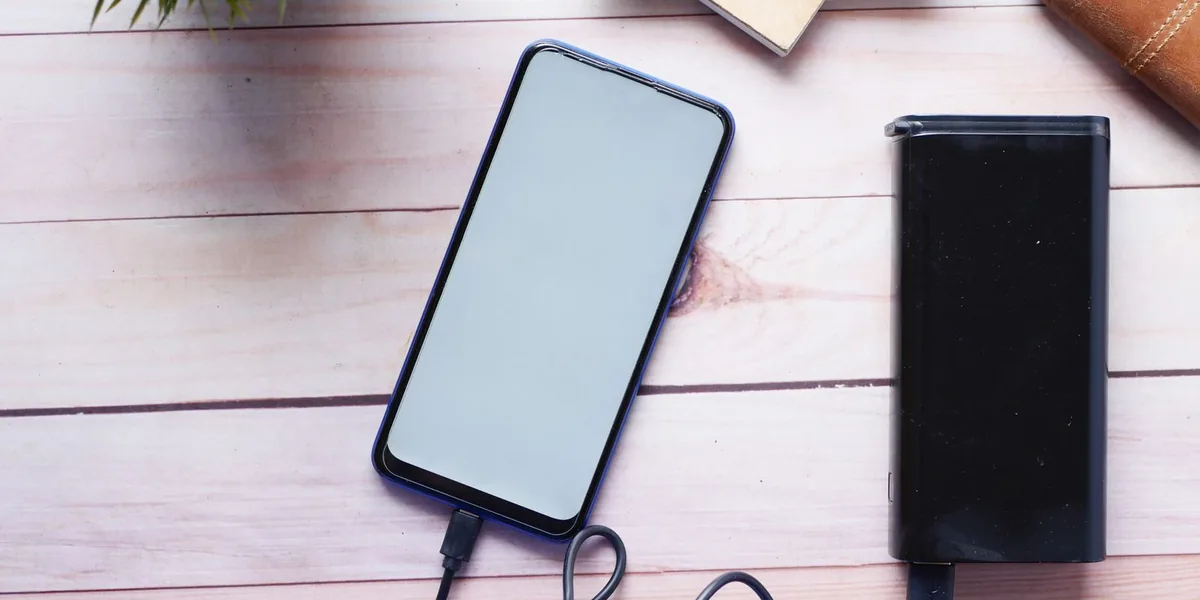
Before you ship anything with a battery, tell your shipper exactly what batteries are inside, keep the UN 38.3 test summary and safety data sheet ready, and never hide a battery inside a shipment. Declared batteries travel safely; undeclared ones risk fines, refused loading and, in the worst case, a fire.
What Documents Do You Need?
For electronics shipping from Dubai, the standard paperwork is a commercial invoice, a packing list, a certificate of origin, and the UAE export declaration. Personal effects shipments usually also need a copy of the shipper’s passport. Battery shipments need the UN 38.3 test summary and the safety data sheet, and a dangerous goods declaration where required.
A complete cargo shipping documents checklist is the easiest way to make sure nothing is missing before the goods leave, because one missing paper can hold a shipment at customs for days. Used electronics need an honest declared value, and some destination countries restrict used electronics imports, so declare the true condition and value.
Keep a copy of every document, and send the same set to the person receiving the goods so they can clear customs without delay. If the destination needs an import permit or a special certificate for used electronics, arrange it before shipping, not after the goods arrive.
What Customs Rules Apply at the Destination?
Customs rules for electronics vary widely, so check the receiving country’s rules before you ship. Some countries charge import duty on used electronics, others restrict or refuse certain used items, and a few require the receiver to hold an import licence. New items in original packaging are usually simpler to clear, but they still need a correct invoice and an honest value.
The receiver should confirm who pays duty and tax, whether a customs broker is needed, and what identification the clearance agent will ask for. Most destination delays come from a missing invoice, a wrong value or an undeclared battery, so getting the paperwork right in Dubai saves days at the other end.
How Long Does Delivery Take?
Delivery times are approximate guidance only, because they depend on the route, the carrier’s schedule, customs clearance and the season. Air freight is fastest, usually a few days from Dubai to most destinations. Sea freight is cheapest but slowest, taking weeks depending on the route and transhipment. Road freight to GCC neighbours is quick, typically one to three days to Saudi Arabia.
For typical times by route and mode, see a cargo transit times guide from Dubai, and always add a buffer for customs inspection, public holidays and onward delivery to the final address.
Where Can You Ship Electronics from Dubai?
Electronics can be shipped from Dubai across the GCC, the wider Middle East, Europe, Asia, Africa and beyond, by air, sea or road as the route allows. Popular nearby destinations include Saudi Arabia, Qatar, Oman, Bahrain, Kuwait, Lebanon, Syria, Jordan and Egypt, with road freight serving the Gulf states and air and sea freight serving the rest.
Routes from other emirates are served too: cargo from Ras Al Khaimah to Lebanon, for example, travels by road and sea combinations that suit personal and commercial electronics loads, as described in this cargo guide from Ras Al Khaimah to Lebanon. Your shipper should confirm the best mode, expected transit time and any restriction on used electronics for your destination before you book.
Frequently Asked Questions
Can I ship a laptop from Dubai to another country?
Yes. You can ship laptop from Dubai as a personal effect or a commercial item, by air freight for speed or by road for nearby Gulf destinations. Pack it in its original box or a padded carton, keep the battery inside where the rules allow, declare the battery, and include a commercial invoice and packing list.
Can I ship a TV from Dubai internationally?
Yes, you can ship TV from Dubai by air, sea or road, but a television needs more protection than a small device. Use a screen protector and foam corners, pack it in a strong carton or a wooden crate, keep it upright, and mark the box fragile and this way up. Large screens are best crated, and insurance is recommended.
Do I need special papers for used electronics?
Used electronics need the same core documents as new items — a commercial invoice, a packing list and a certificate of origin — plus an honest declared value. For used electronics shipping Dubai customs requires a truthful declaration, and some destination countries restrict used electronics imports or charge duty on them, so check the destination rules first.
How are lithium batteries handled in electronics cargo?
Lithium battery shipping Dubai rules follow the IATA Dangerous Goods Regulations: batteries are Class 9 dangerous goods with UN numbers such as UN3480 and UN3481, they need UN 38.3 test summaries and a safety data sheet, and damaged or recalled batteries are forbidden by air. Sea carriers require every lithium battery declared at booking.
Is insurance worth it for electronics shipments?
Yes, insurance is worth it for almost every electronics shipment. Televisions, laptops and appliances are high-value and fragile, and a single damaged screen can cost more than the freight itself. Insure for the full replacement value, photograph the items and the packing before sealing the boxes, and keep the receipts so a claim can be settled quickly.
Shipping electronics overseas is straightforward when the packing, the battery rules and the paperwork are handled properly. With the right mode, honest documents and careful packing, electronics shipping from Dubai can be a smooth, predictable process — and your devices should arrive ready to use.