Container Shipping from Dubai: FCL vs LCL, Costs and Process
What Is Container Shipping from Dubai?
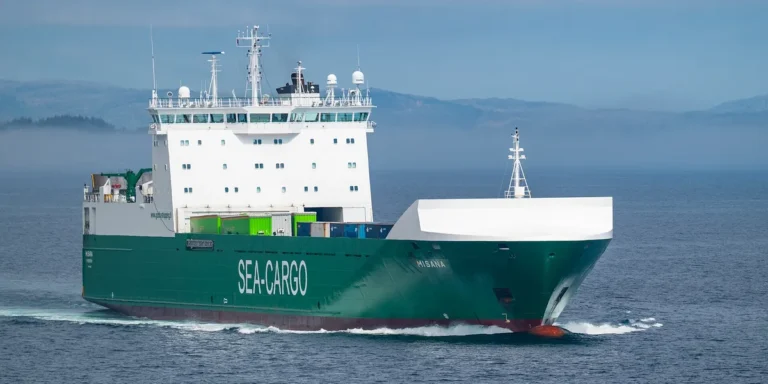
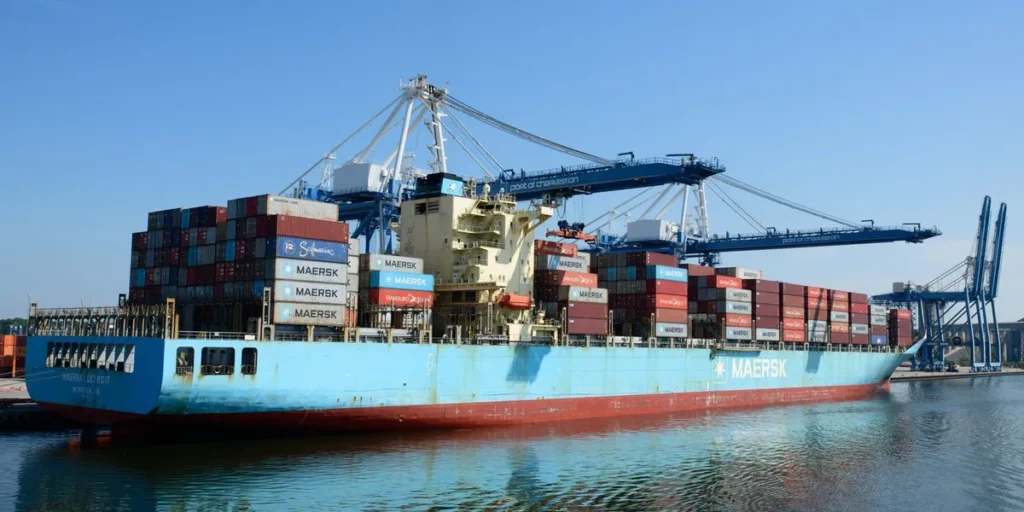
Container shipping from Dubai is the standard way to move commercial cargo, household goods, vehicles and machinery overseas by sea. Your goods travel inside a steel shipping container, loaded at Jebel Ali Port — one of the busiest container ports in the world — and delivered to a port near your destination. Because the container stays sealed from loading to unloading, your cargo is protected from weather, handling damage and theft along the way.
Most shipments from Dubai leave as either FCL or LCL. The choice between the two decides your price, your transit time and how much handling your goods go through, so it is worth understanding before you book. This guide explains both options, the real costs, container sizes, transit times and the documents you need.
What Is FCL Shipping?
FCL stands for Full Container Load. You book an entire container exclusively for your cargo and pay one flat rate for the box, whether you fill it completely or not. The container is loaded at your warehouse or at our facility, sealed, and opened only at the destination. Nothing else goes inside it.
FCL shipping from Dubai suits larger shipments, high-value goods, fragile items and anything that should not be handled more than necessary. Because there is no consolidation or deconsolidation, FCL is also the faster option on most routes.
What Is LCL Shipping?
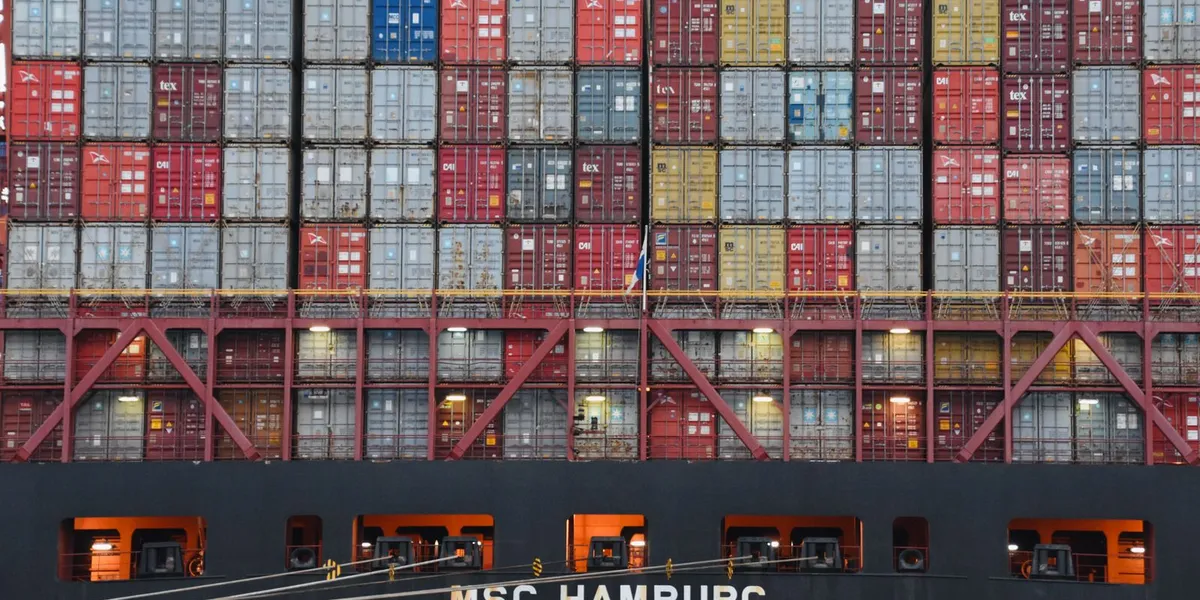
LCL stands for Less than Container Load. Your cargo shares container space with shipments from other businesses, and you pay only for the cubic metres (CBM) your goods actually occupy. A freight forwarder consolidates several LCL shipments into one container at origin, then deconsolidates it at the destination port.
LCL shipping from Dubai is the practical choice for small shipments — a few cartons, samples, or a small order that would never fill a container. You avoid paying for empty space, but your cargo is handled more often and moves on the consolidation schedule, so delivery takes longer.
How Do FCL and LCL Compare?
The table below sums up the practical differences between FCL vs LCL for a shipment leaving Dubai.
| FCL | LCL | |
|---|---|---|
| Who uses the container | Only you | Several shippers |
| Pricing | Flat rate per container | Per CBM or per tonne, whichever is greater |
| Handling | Loaded and sealed once | Handled at origin and again at destination |
| Transit time | Faster — no consolidation delays | 3–7 days longer on most routes |
| Damage risk | Lower — sealed throughout | Higher — extra handling |
| Best for | Over 15 CBM, valuable or fragile cargo | Under 8 CBM, small or trial orders |
As a working rule, under 8 CBM LCL is almost always cheaper. Between 8 and 14 CBM, compare both quotes — the answer changes with the route and the season. Above 15 CBM, a 20ft FCL usually wins on cost and always wins on speed and safety. Always compare the full door-to-door quote, not just the ocean freight line: LCL quotes often exclude the consolidation fee (around USD 30–60) and the deconsolidation fee (around USD 30–50) until you ask.
Which Container Sizes Can You Book from Dubai?
Three standard container sizes cover almost every shipment out of Jebel Ali:
- 20ft standard container: about 33 CBM nominal capacity (25–28 CBM usable), maximum payload around 21,770 kg. The workhorse for household goods, machinery and dense cargo.
- 40ft standard container: about 58 CBM usable. The right choice for bulky, light cargo such as furniture, textiles and large commercial orders.
- 40ft high cube container: about 66 CBM usable, with extra height for tall or stacked cargo.
- Reefer (refrigerated) containers are available in 20ft and 40ft for temperature-controlled cargo such as food, flowers and pharmaceuticals. If your goods need a steady temperature, read our refrigerated cargo transport guide before you book.
Open-top and flat-rack containers are available for oversized cargo that cannot fit through container doors — heavy equipment, boats and large machinery. Tell us the exact dimensions and weight before you ask for a price, because the container type decides the rate.
How Much Does Container Shipping from Dubai Cost?
Container shipping cost from Dubai depends on the route, the container size, the season and the cargo itself. The indicative ocean freight rates below are for late 2026 from Jebel Ali Port and exist so you can sanity-check a quote. Your final price also includes terminal handling at both ends, documentation, UAE export clearance and any carrier surcharge in force on the lane.
| Route | FCL 20ft | FCL 40ft | LCL per CBM |
|---|---|---|---|
| Dubai to Mumbai | USD 350–550 | USD 550–850 | USD 40–70 |
| Dubai to Singapore | USD 600–900 | USD 900–1,400 | USD 50–85 |
Five factors move the price up or down:
- Volume and weight: LCL is charged on the greater of volume or weight, so dense cargo such as tiles or machine parts can be billed on weight, not CBM.
- Route and season: rates rise in the Q4 peak season and on constrained lanes.
- Container type: reefer, open-top and flat-rack containers cost more than a standard dry box.
- Origin and destination charges: terminal handling, bill of lading and documentation fees, and CFS (container freight station) charges for LCL.
- Cargo value and risk: high-value cargo should travel with cargo insurance, which is a small percentage of the cargo value and protects you against loss or damage at sea.
Ask for a written quote that lists every charge. A cheap ocean freight rate with hidden terminal and handling fees is not a cheap shipment.
How Long Does Container Shipping from Dubai Take?
Transit time depends on the destination and whether you ship FCL or LCL. Indicative port-to-port times from Jebel Ali:
| Route | FCL transit | LCL transit |
|---|---|---|
| Dubai to Mumbai | 3–5 days | 7–12 days |
| Dubai to Singapore | 7–10 days | 12–18 days |
LCL takes longer because of consolidation at origin and deconsolidation at destination — each step can add 3–7 days. Door-to-door delivery adds export clearance, destination customs and the final delivery leg. For a full picture of delivery times to the GCC, Lebanon, Egypt and Europe, see our guide to cargo transit times from Dubai.
What Documents Do You Need for Container Shipping from Dubai?
Every container leaving Dubai needs the same core documents:
- Commercial invoice — describes the goods, their value and the buyer and seller.
- Packing list — lists every item, its weight and its dimensions.
- Bill of lading — the carrier’s receipt and the document of title for the cargo.
- UAE export declaration — filed with UAE Customs before loading.
- VGM (Verified Gross Mass) declaration — the confirmed weight of the loaded container, required before the carrier will load it.
- Certificate of origin — required for many destinations, including GCC countries.
Some cargo needs more: a health or phytosanitary certificate for food and plants, a dangerous goods declaration for chemicals and batteries, and a SABER certificate for goods entering Saudi Arabia. Missing or incorrect documents are the single biggest cause of delays at both ends, so send us the paperwork early and we will check it before the container is booked.
How Does the Container Shipping Process Work?
Booking a container from Dubai follows six simple steps:
- Send the details. Commodity, weight, dimensions, origin, destination and Incoterm. Photos of unusual cargo help us choose the right container.
- Get a written rate. A price with every local charge shown, plus the routing options — FCL and LCL quoted side by side so you can see the break-even point for your cargo.
- We book and clear. Container space, pickup, export documents and UAE customs are handled by one coordinator, so your cargo details are never explained twice.
- Loading and sealing. Your goods are loaded, the container is sealed and the VGM is declared. For FCL the seal stays on until the destination.
- Sailing and tracking. The container sails from Jebel Ali. You can track your container shipment at every milestone until it reaches the destination port.
- Customs and delivery. Destination customs clearance is completed and the container is delivered to your warehouse or address. For LCL, deconsolidation happens first at the destination container freight station.
If your shipment is too large for one container but too small for a full one, ask about a full load versus part load comparison — the same logic applies on the road, and combining sea and road legs often saves both time and money.
Which Option Should You Choose: FCL or LCL?
Choose FCL when your cargo is over 14–15 CBM, when it is high-value or fragile, when it is temperature-sensitive, or when the delivery date matters. The sealed container, faster transit and lower handling risk are worth the flat rate.
Choose LCL when your cargo is under 8 CBM, when it is a trial order, or when the goods are sturdy, low-value and not time-sensitive. You pay only for the space you use, and that is the whole point of consolidation.
Between 8 and 14 CBM, get both quotes and compare the totals — not just the freight line. Add the consolidation and deconsolidation fees to the LCL price, add a cost for the extra days, and then decide. On many Dubai trade lanes the break-even point is closer to 10 CBM than to the old 15 CBM rule, because LCL surcharges have risen.
What Mistakes Should You Avoid?
- Guessing the volume. Measure the packed dimensions from the supplier’s packing list, not from an estimate. A wrong CBM changes the whole comparison.
- Comparing freight-only quotes. Always compare door-to-door totals with origin charges, destination handling and delivery order fees included.
- Ignoring the cut-off date. Containers have a closing time at the port. Miss it and your cargo waits for the next sailing.
- Skipping insurance on valuable cargo. Sea freight is safe, but a single incident without cover can wipe out the value of the shipment.
- Booking the wrong container. Cargo that does not fit the doors, or that needs ventilation or refrigeration, costs far more to fix at the port than to plan at the start.
Container shipping from Dubai works best when the container, the route and the documents are planned together. Tell us what you are shipping and where it needs to go, and we will quote FCL and LCL side by side — then you choose on numbers, not guesswork. For road legs inside the GCC, our road freight guide from Dubai covers the border crossings, transit times and costs, and for Russia-bound containers see cargo to Russia from Dubai Marina.
Frequently Asked Questions About Container Shipping from Dubai
What is the cheapest way to ship a container from Dubai?
For small volumes under 8 CBM, LCL is usually cheapest because you pay per CBM. Above 15 CBM, a 20ft FCL is usually cheaper per unit and faster. Between the two, compare full door-to-door quotes for both options.
How much does a 20ft container from Dubai cost?
Ocean freight for a 20ft container from Jebel Ali starts around USD 350–550 to Mumbai and USD 600–900 to Singapore, before terminal handling, documentation and destination charges. The final price depends on the route, season and cargo.
What is the difference between FCL and LCL?
FCL means you book a whole container exclusively for your cargo at a flat rate. LCL means your cargo shares a container with other shippers and you pay for the volume you occupy. FCL is faster and safer; LCL is cheaper for small shipments.
How long does sea freight from Dubai take?
Port-to-port FCL transit from Jebel Ali is about 3–5 days to Mumbai and 7–10 days to Singapore. LCL adds 3–7 days for consolidation and deconsolidation. Door-to-door delivery takes longer once customs and final delivery are included.
Do I need insurance for container shipping from Dubai?
It is strongly recommended for valuable cargo. Marine cargo insurance costs a small percentage of the cargo value and covers loss or damage during the sea voyage and handling. Ask us to include it in your quote.
Related Reading: Yacht and Boat Transport from Dubai: Costs, Process and Documents
Related Reading: Motorcycle Shipping from Dubai: Costs, Documents and How It Works